LTA rule puts taxis, private hire cars on equal footing
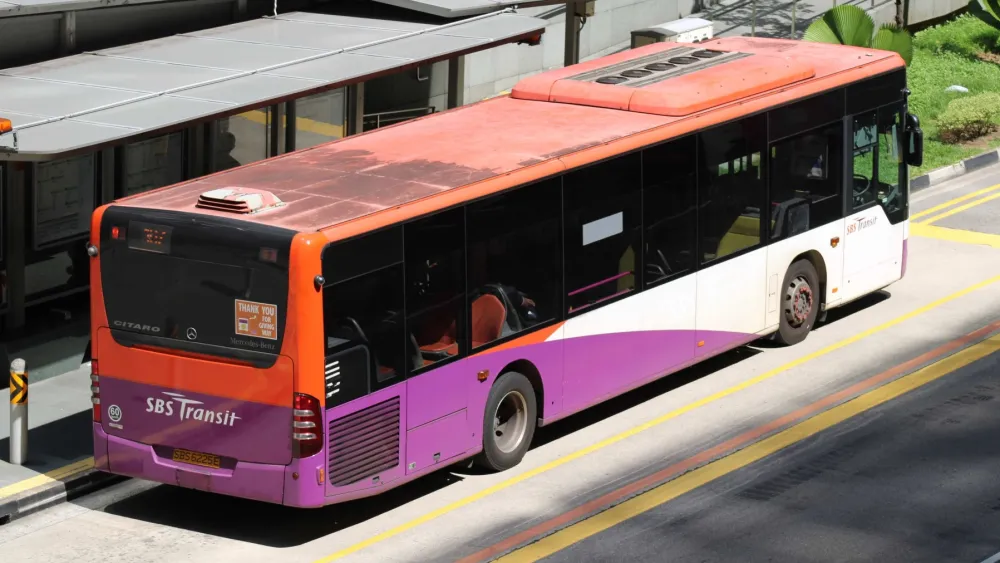
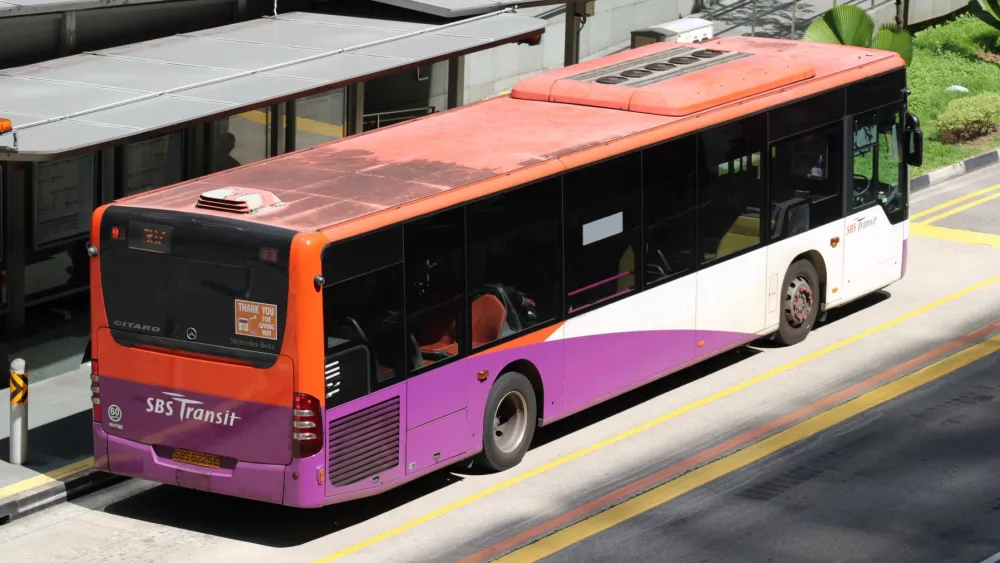
The number of taxis has fallen by 55% to 13,100 in the past 10 years.
A Land Transport Authority (LTA) rule that bars hire cars owned by Singapore businesses from changing the purpose of their use for three years is expected to remove their unfair advantage over taxis, whose number has been declining in the past decade, analysts said.
“Taxis have historically been regulated more strictly than private hire cars,” Walter Edgar Theseira, an associate professor at the Singapore University of Social Sciences (SUSS), told Singapore Business Review.
“The main difference is that taxis were previously restricted to taxi use only. Once registered as a taxi, they could not be converted for other purposes,” he said via Zoom.
In contrast, the function of private hire cars, which are used in ride-hailing services like Grab or in dedicated rental services like Lion City Rentals, could be converted much freely, he pointed out.
This has made taxis a riskier investment, Theseira said, noting that the number of taxis in the city-state had fallen to a little over 13,100 in 2024 from almost 29,000 10 years earlier.
The number of chauffeured private hire cars, on the other hand, jumped 38 times to 59,371 during the same period, according to LTA data.
Under regulations effective 19 February, business-owned chauffeured private hire cars are subject to a three-year lock-in period, during which they cannot be repurposed.
If transferred to another business, the new owner must honor the remaining lock-in period. The rule does not apply to cars owned by people who use them for ride-hailing services and personal trips.
Aside from levelling the playing field, the three-year lock-in period is also expected to reduce speculative activity in the private hire car market, Theseria said.
“Over the years, there have been complaints on the ground that ride-hailing vehicles or private hire cars are being converted to regular passenger vehicles or have been disposed of prematurely for things that are speculative,” Lee Kwok Hao, an assistant professor at the Department of Strategy and Policy of the National University of Singapore Business School, told Singapore Business Review via Zoom.
“The rapid convergence of these private hire cars into passenger vehicles might have disrupted the balance between taxi and ride-hailing supply as well,” he added.
Meanwhile, Lee expects fewer car rental companies to bid for permits to own private hire cars because of the lock-in period.
They accounted for 10% of these permits issued from January to October 2024, according to Transport Minister Chee Hong Tat.
Theseira said the LTA measures would encourage fleet operators to think more carefully about the expected demand for private hire car rentals before deciding whether to bid for these certificates of entitlement.

























 Read Here
 Advertise
 Sign Up