Why 'shrinkflation' is dangerous for F&B operators
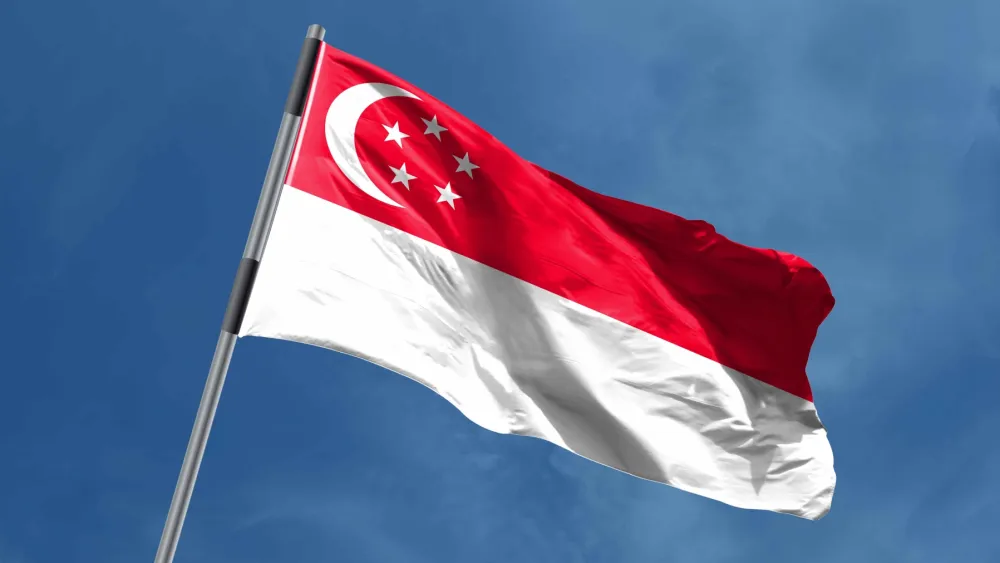
Inflation is expected to remain high at 4.6% in Singapore.
F&B businesses in Singapore that have resorted to "shrinkflation" to sustain revenue amidst the persistently high inflation risk damaging their image and goodwill in the long term, according to an analyst.
GlobalData defines "shrinkflation" as the passing down of costs to consumers.
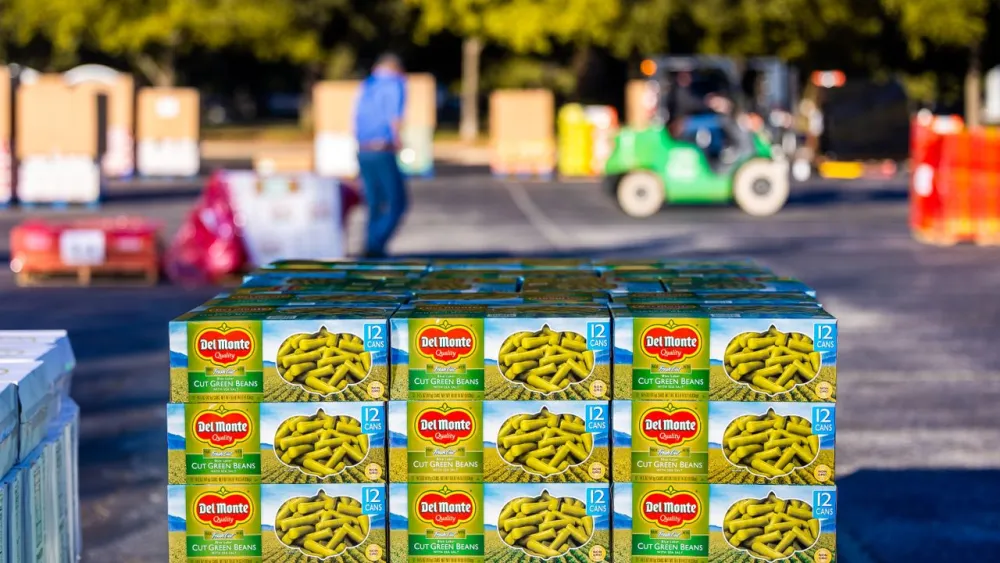
"This involves reducing the portion sizes in each pack or plate without lowering the label or menu prices proportionally," Bobby Verghese, consumer analyst at GlobalData, said.
"As shrinkflation raises the unit price of products, consumers get less value for their money. However, the drop in quantity is never publicised and is rarely noticed by consumers as packaged food is hardly ever purchased by grammage or litres, unlike the case with unpackaged fresh produce. Shrinkflation, thereby, has a silent impact on household budgets, unlike price hikes," Verghese said.
Tim Hill, key account director at GlobalData Singapore, warned that if consumers sport shrinkflation, they may switch to other brands, labels, or operators or postpone their purchase.
"Recently, Singaporeans upset by the shrinking food portions served at various eateries posted their experience on social media, and the news went viral. Given how fast negative publicity travels through social media, it can damage a brand’s or label’s image and goodwill in the long term," Hill said.
GloablData's Q422 consumer survey showed that 85% of Singaporeans are already keeping to a strict household budget amidst the high food inflation.
Additionally, 90% of survey respondents said they would buy cheaper alternatives.

























 Read Here
 Advertise
 Sign Up