68.6% of employers value digital, AI skills
Jobseekers are advised to upskill as automation reshapes jobs.
When hiring, Singapore employers value talents’ digital and artificial intelligence (AI) skills the most at 68.6%, a survey from Reeracoen and Rakuten Insight showed.
The two firms studied 375 city-state-based hiring managers to explore their attitudes on toward unemployment, workforce re-entry, and talent readiness.
Digital and AI skills were followed by project management at 52.4%, data analytics at 49.6%, vocational and technical certifications at 47.7%, and leadership and communication skills at 38.4%.
The report said that automation is reshaping jobs, but demand for “human skill sets remains intense,” especially in tech, logistics, and sales roles.
As a result of these trends, surveyed employers advised jobseekers to remain active and continue upskilling.
More than half (76.6%) of Singapore employers said that talents’ showing evidence of upskilling is important when applying for jobs, the survey showed.
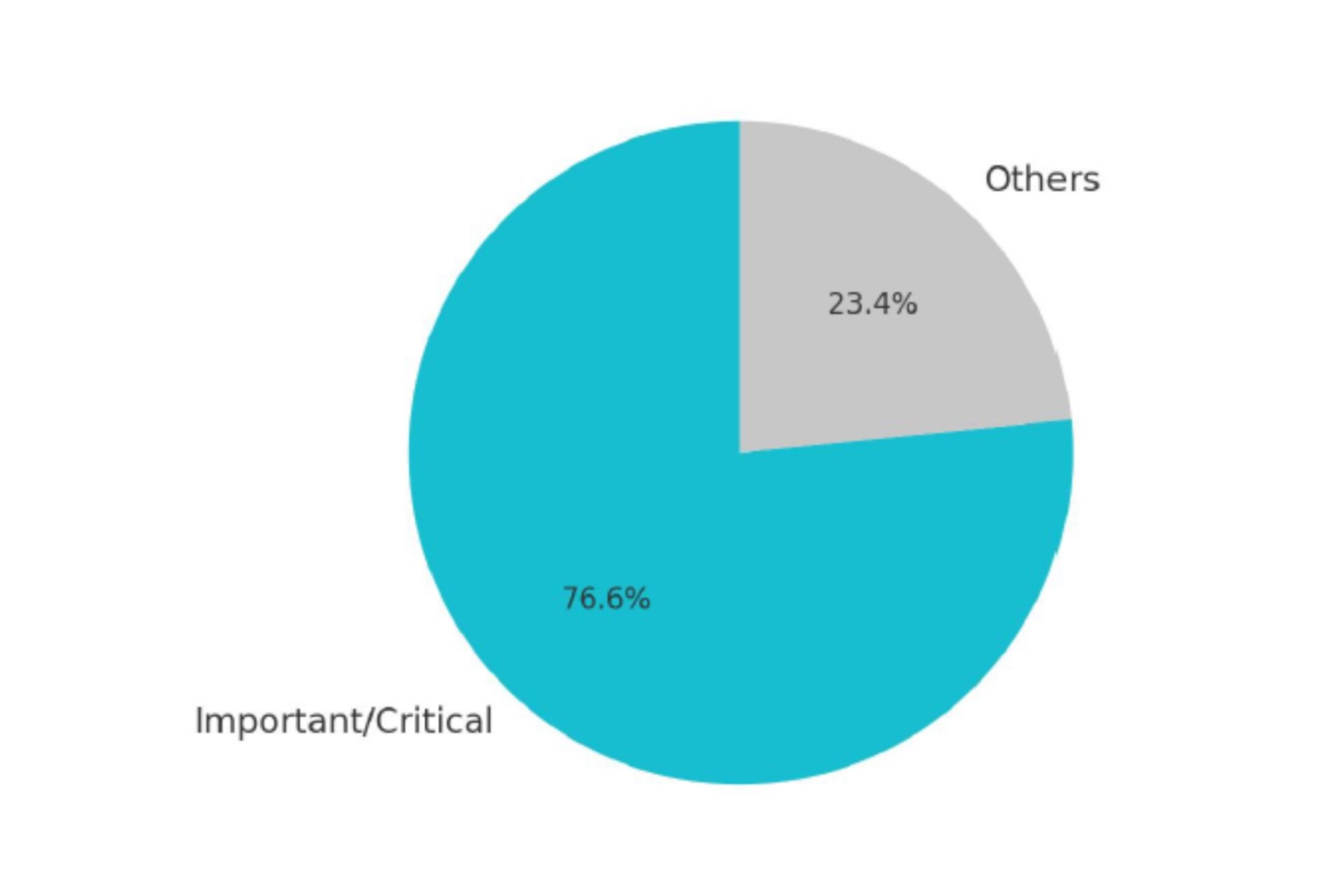
Certificates, online portfolios, and documented training efforts are now hiring signals, especially in tech and operations roles, it added.
These trends come amidst the rise of government investments in the workforce, such as SkillsFuture, AI and Jobs Transformation Maps.
SkillsFuture Singapore, a state board under the Ministry of Education, is upgrading its workforce-planning tools after more than 27,000 companies used them in 2025.
Amidst user requests, the board implemented a downloadable PDF feature that lets human resource teams share training recommendations with internal decision-makers.
Human resources functions in Singapore and globally, meanwhile, are expected to undergo further change in 2026 as AI adoption accelerates and workforce expectations continue to evolve, according to ADP.
Employers surveyed by Reeracoen and Rakuten Insight advised jobseekers to also network, tailor applications, and honestly explain any employment gaps.
They also recommended that amidst employers’ caution amidst AI disruption and cost-control measures, agencies, skills programmes, and proactive jobseekers are key to bridging the gap between available talent and hiring needs.




























 Read Here
 Advertise
 Sign Up