Temasek portfolio hits record $518b on Singapore gains, divestments
One-year returns reached 10.5% despite currency headwinds and late-year market volatility.
Temasek Holding's (Temasek) portfolio reached a record $518b for the financial year ended 31 March 2026, helped by gains from its Singapore portfolio companies and key divestments.
In its Temasek Review 2026, the state investor a $49b net portfolio value (NPV) increased to $518b on a mark-to-market basis, doubling over the past decade.
Temasek said its one-year total shareholder return (TSR) was 10.5%, driven mainly by the strong performance of its listed Singapore portfolio companies and gains from key divestments.
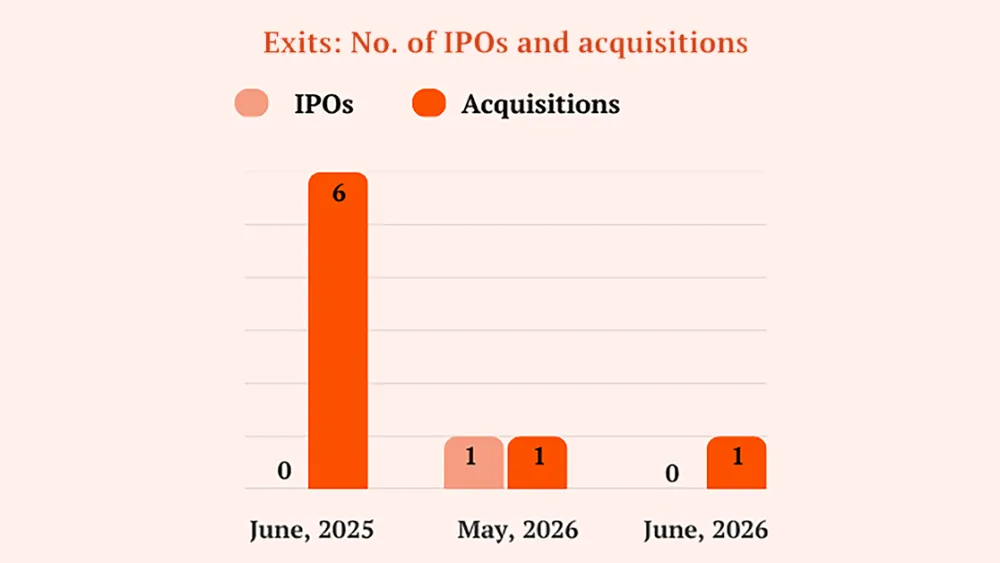
During the year, Temasek invested $51b and divested $31b, resulting in net investments of $20b.
The company said its portfolio came under pressure near the end of the financial year.
Events in the Middle East led to a 2% decline in NPV in the final month, reversing part of the earlier gains in its Global Direct Investments portfolio. A stronger Singapore dollar against major currencies also reduced returns by about two percentage points.
Despite this, Temasek said its long-term returns remained steady.
Its 20-year TSR was 6.8%, whilst its 10-year TSR was 7.1%. Its five-year TSR was 4.6%, which the company said reflected headwinds in China's capital markets between 2021 and 2024.
"Year-to-year performance may not be the most natural measurement for an institution like ours, which is geared towards good sustainable returns over the long term. The real measurement of success is the longer-term returns of 10 and especially, 20 years," Temasek CEO Dilhan Pillay said during the Temasek media briefing on 8 July.
The financial year also marked Temasek's full transition to mark-to-market reporting, under which both listed and unlisted investments are valued using market-based methods.
Temasek said the change gives a more up-to-date view of its portfolio and aligns its reporting with global peers.
Using the new valuation method added $32b to the portfolio compared with the previous book-value approach. Temasek said the two methods show no meaningful difference in long-term returns.
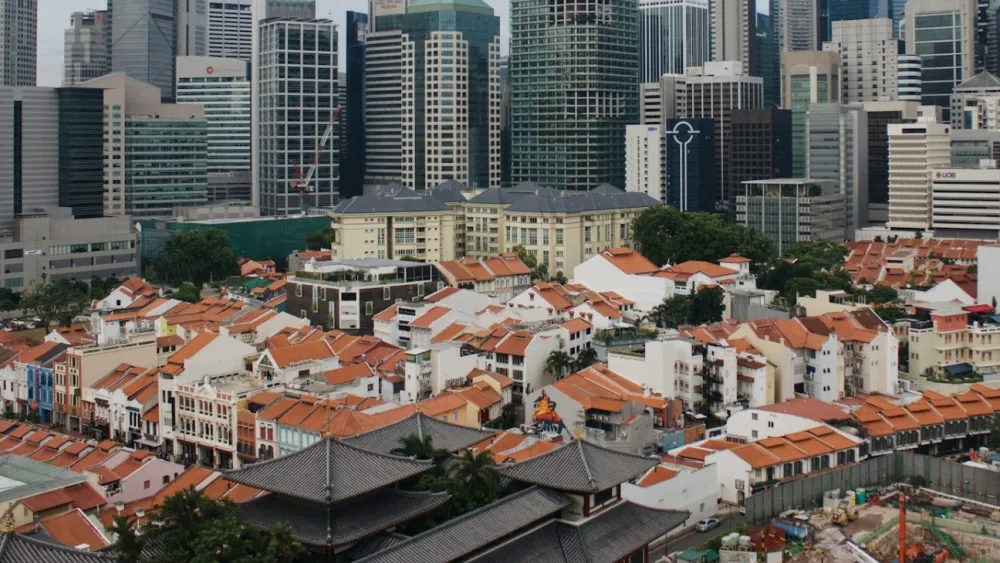
Singapore remains Temasek's largest market with the company saying 52% of its portfolio comprises Singapore-headquartered companies, whilst 27% of its underlying portfolio exposure is to Singapore. Many of these businesses operate critical infrastructure or provide essential services.
Temasek also said steps taken since January 2024 to sharpen its investment approach and improve execution have contributed to stronger returns over the past two years.
"The most important factor is to build a quality portfolio, one that can bounce back from shocks. And we should expect these shocks to continue," Pillay said.






















 Read Here
 Advertise
 Sign Up