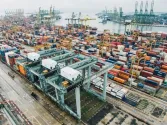
Exports to remain steady in 2026 but volatile factors threatens growth
Full-year 2026 NODX is projected at 3% following ean stimated 4% growth in 2025.
Singapore’s non-oil domestic exports (NODX) are projected to remain steady in 2026, with growth expected at 3%, following an estimated 4% rise in 2025, according to RHB.
The outlook is supported by ongoing global industrial production, favourable economic sentiment, easing tariff risks, and resilient performance across both electronics and non-electronics industries.
Manufacturing and trade-related sectors are expected to benefit from this brighter external environment.
Gains are driven by strong global demand for AI-related chips, servers, and other technology products, alongside spillovers from the global electronics upcycle and robust regional demand. Electronics and transport engineering remain bright spots, with these industries closely linked to global trade and poised to benefit from continued growth in E&E demand, RHB said.
However, analysts caution that headline NODX growth may be overstated by volatile components.
Strong growth in pharmaceuticals, for example, can temporarily inflate NODX without signalling broad-based or sustained improvement. In November, NODX rose 6.6% month-on-month, translating to an 11.6% year-on-year increase. UOB noted that excluding the $3.2b surge in pharmaceuticals, NODX would have contracted by 9.5% year-on-year.
This spike mirrors strong September–October pharmaceutical IP readings and may partly reflect front-loading of orders ahead of delayed US tariff implementation.
“Nevertheless, Singapore’s strong fundamentals, regional integration, and domestic resilience provide stability amid these risks. Whilst headline figures appear encouraging, we maintain a measured stance on the broader trade outlook,” RHB said.























 Read Here
 Advertise
 Sign Up