What does a top Singapore CEO look like today?
Most lead the same firms they joined decades ago, rising from finance, engineering, or operations into the top job.
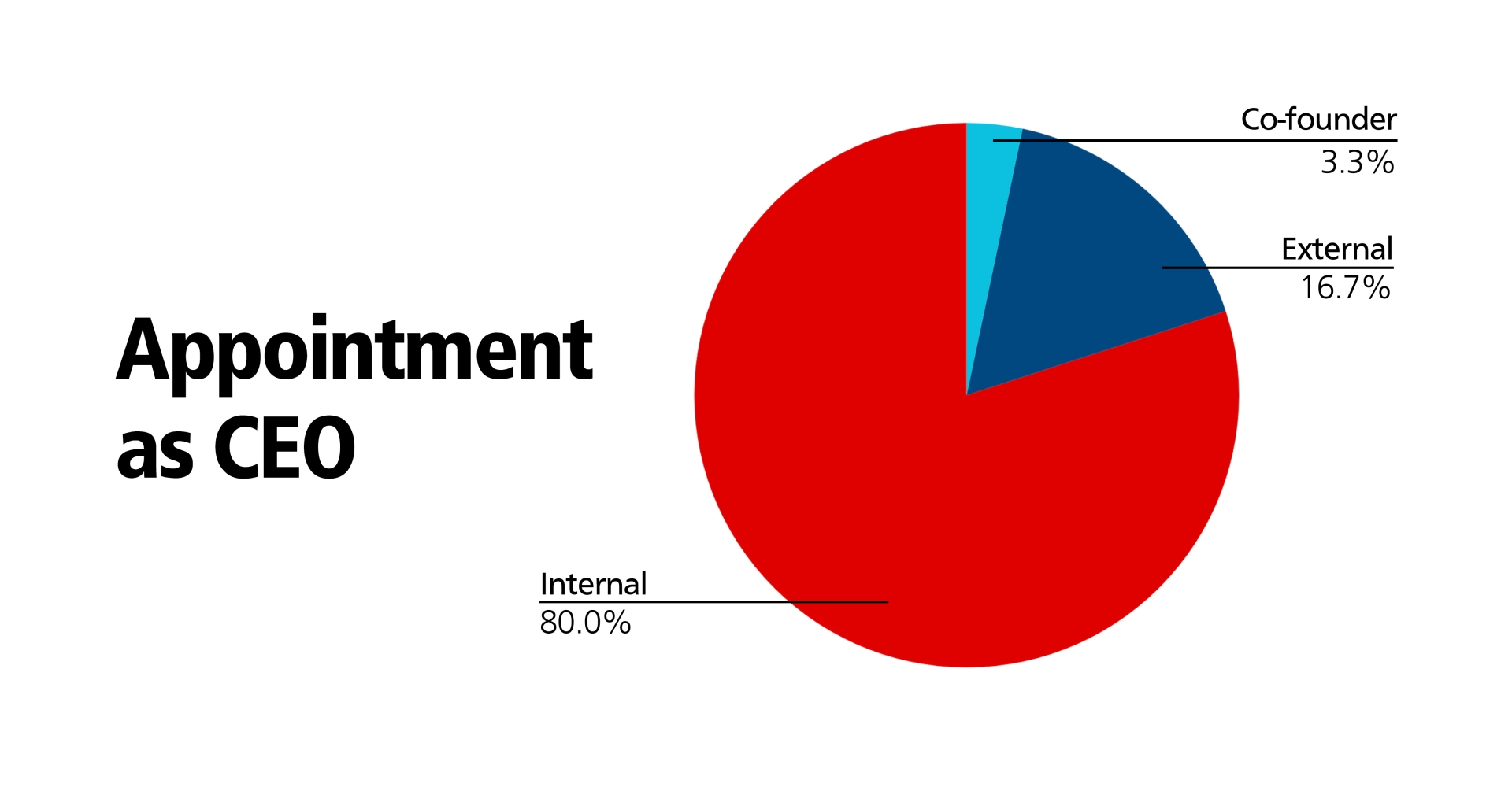
Singapore’s corporate elite is defined by continuity, loyalty, and steady succession from within, with eight of 10 CEOs on the 30-company bellwether Straits Times Index (STI) being internal appointees who spent years building their careers within the same company before reaching the top, according to data compiled by Singapore Business Review.
Most of these leaders are in their 50s or 60s and have held their posts for an average of seven years, combining experience with longevity. Many rose through the ranks from finance, engineering, or operational backgrounds, reflecting the city-state’s preference for steady leadership and technical competence.
Singapore Telecommunications Ltd. CEO Yuen Kuan Moon, for instance, joined the company in 1993 as a fresh engineering graduate and climbed through several management positions before becoming head of the company’s consumer business in 2012.
In 2021, he was appointed group CEO. In a LinkedIn post that year, Yuen said he stayed because he believed in the company’s mission to make a “real difference in the lives of our customers and the communities we serve.”
At Singapore Airlines Ltd., CEO Goh Choon Phong followed a similar path. He joined the carrier in 1990 after graduating from the Massachusetts Institute of Technology and served in roles ranging from marketing to finance and cargo. His predecessor, Chew Choon Seng, described him as a leader with “versatility and deep experience” when Goh took the helm in 2010 at age 47.
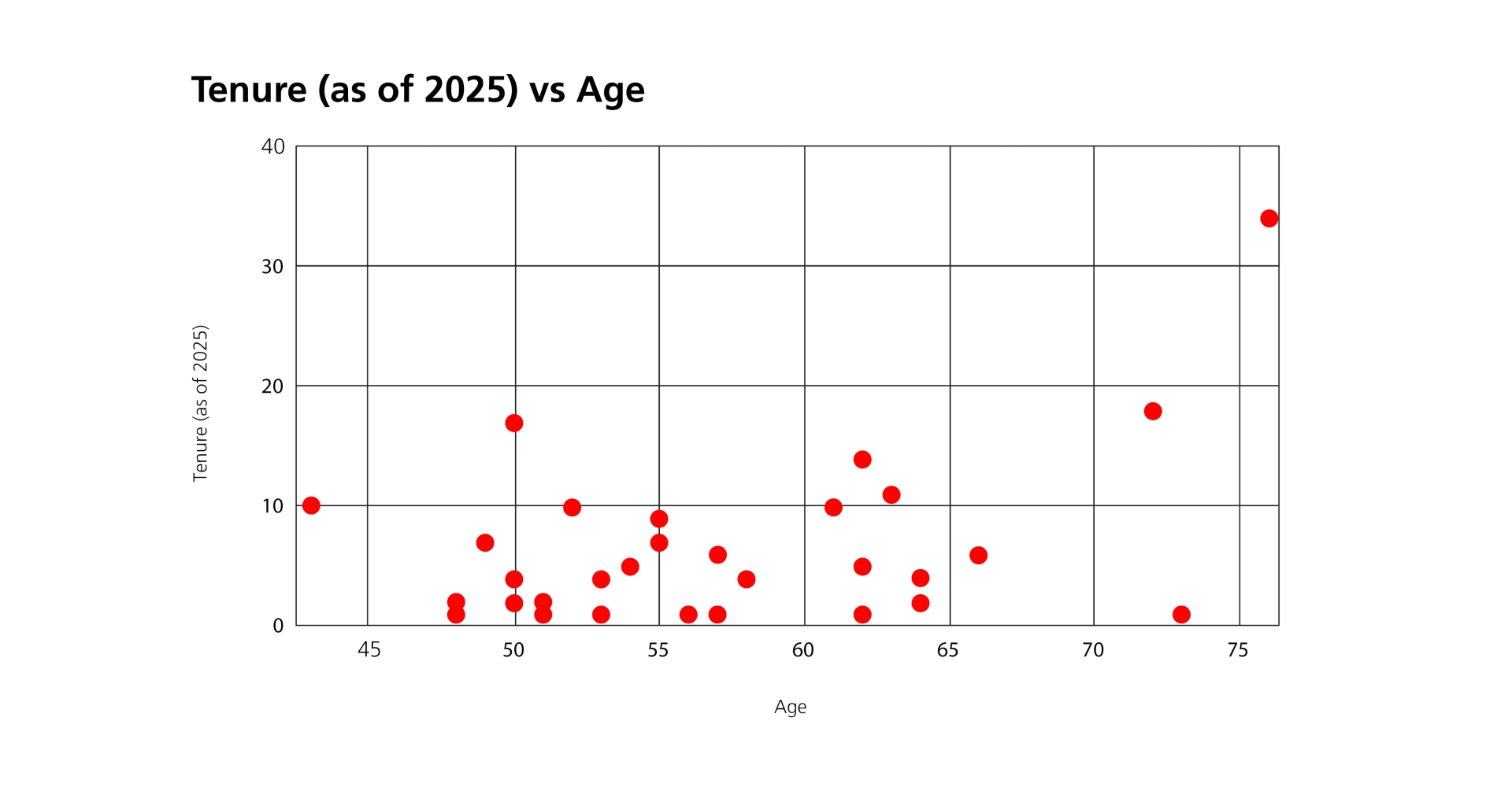
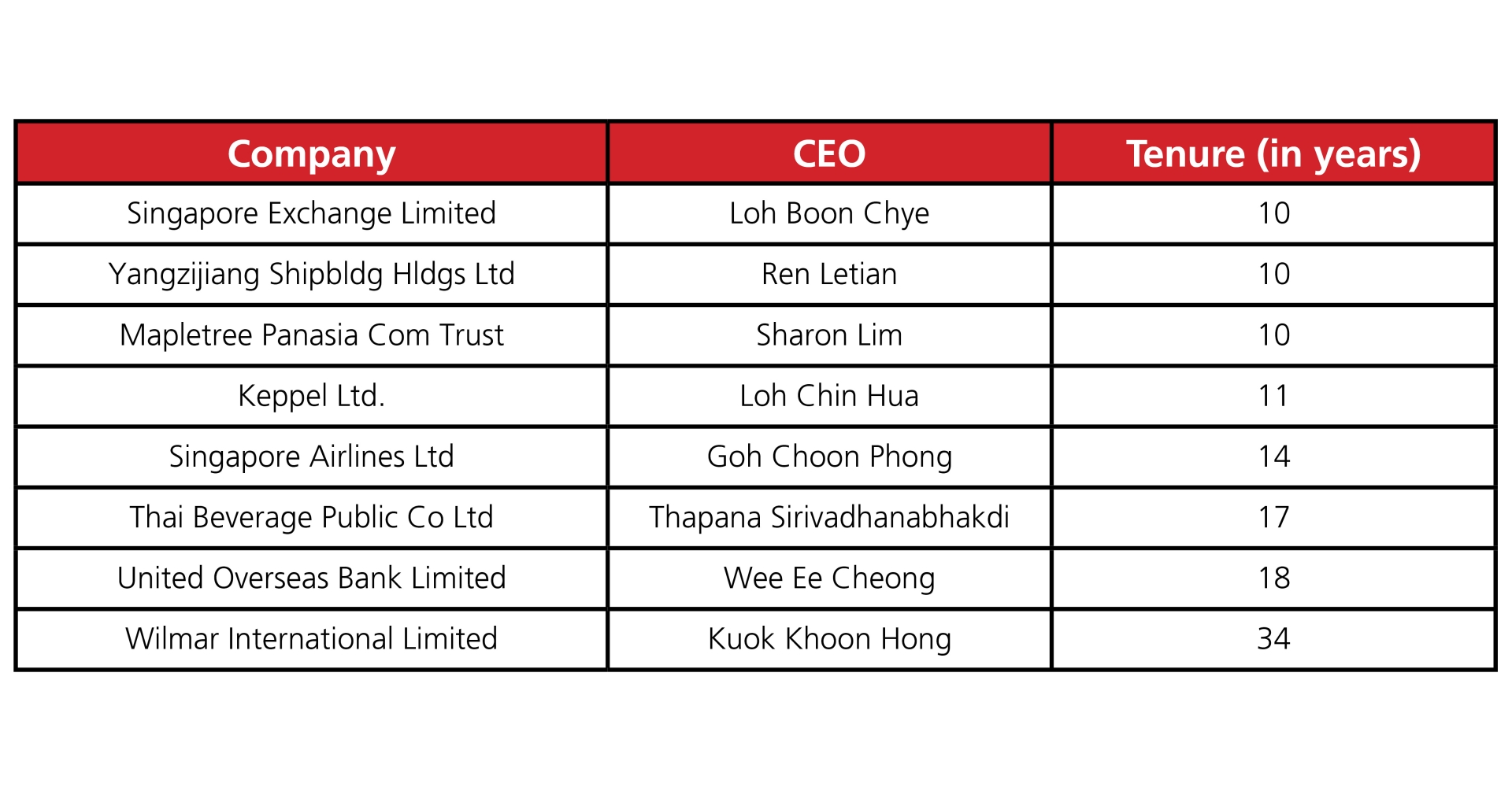
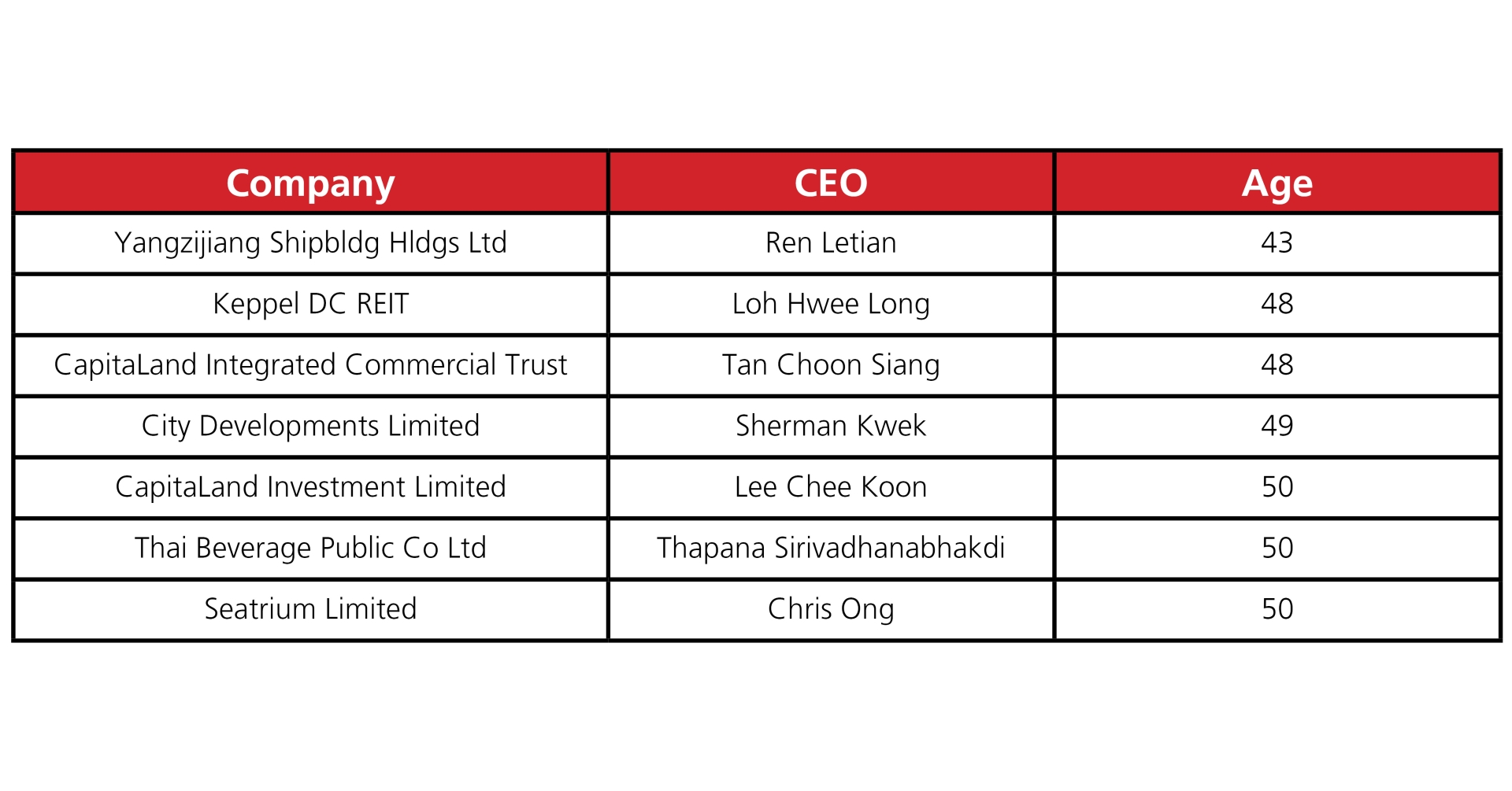
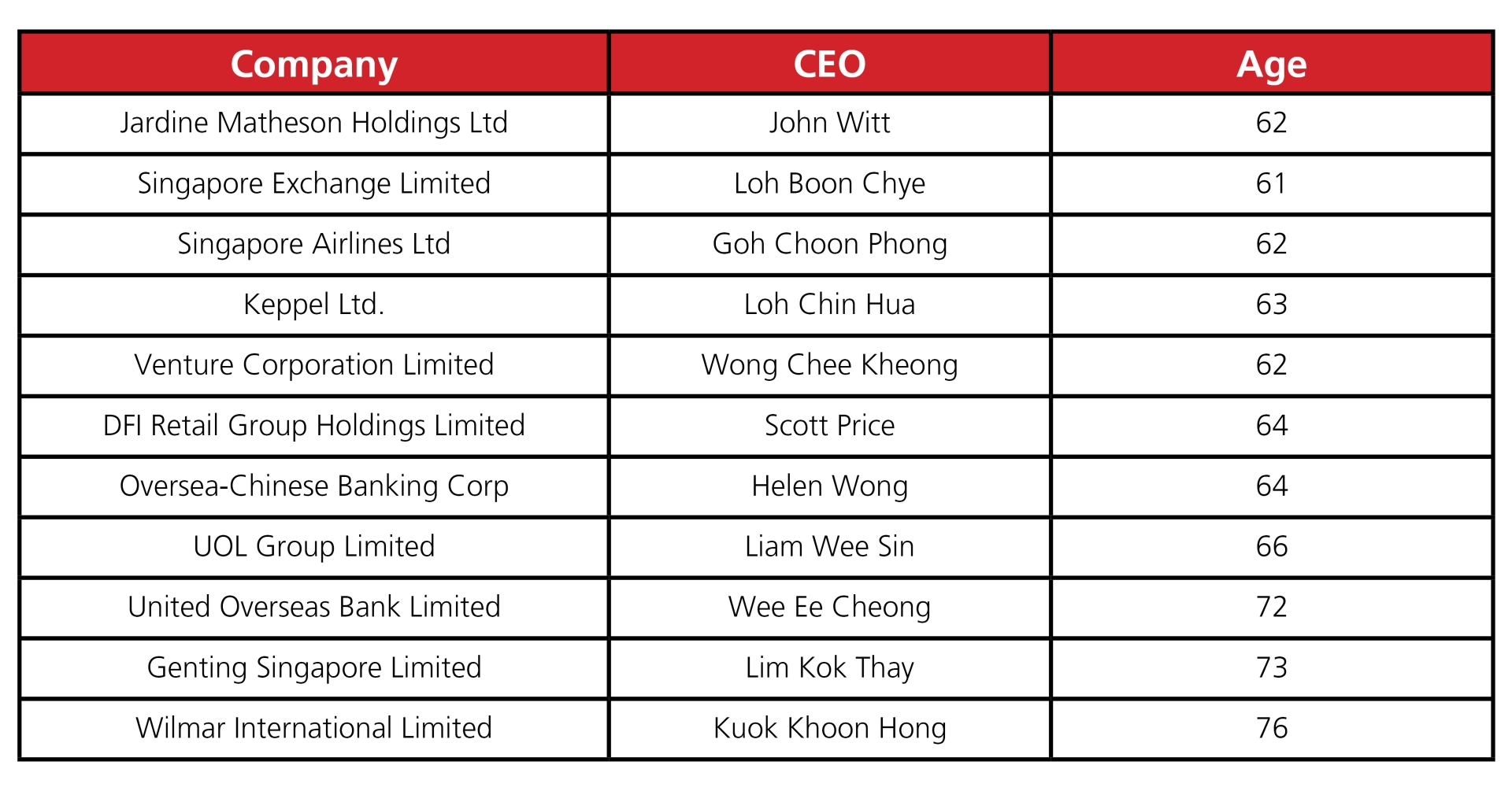
There is no fixed age for leadership ascension in Singapore’s corporate landscape. Loh Hwee Long, who became CEO at Keppel DC REIT in 2023 at 46, had spent more than a decade at the company, most recently as its chief investment officer (CIO) overseeing data centre assets. At the other end of the spectrum, Venture Corp. Ltd. CEO Wong Chee Kheong was 62 when appointed in 2024 after two decades in the company.
The outlier is Kuok Khoon Hong, the 76-year-old co-founder and CEO at Wilmar International Ltd., who helped build the palm oil giant from scratch in 1991. Kuok is the only founder still leading a firm among STI constituents and the oldest CEO on the list.
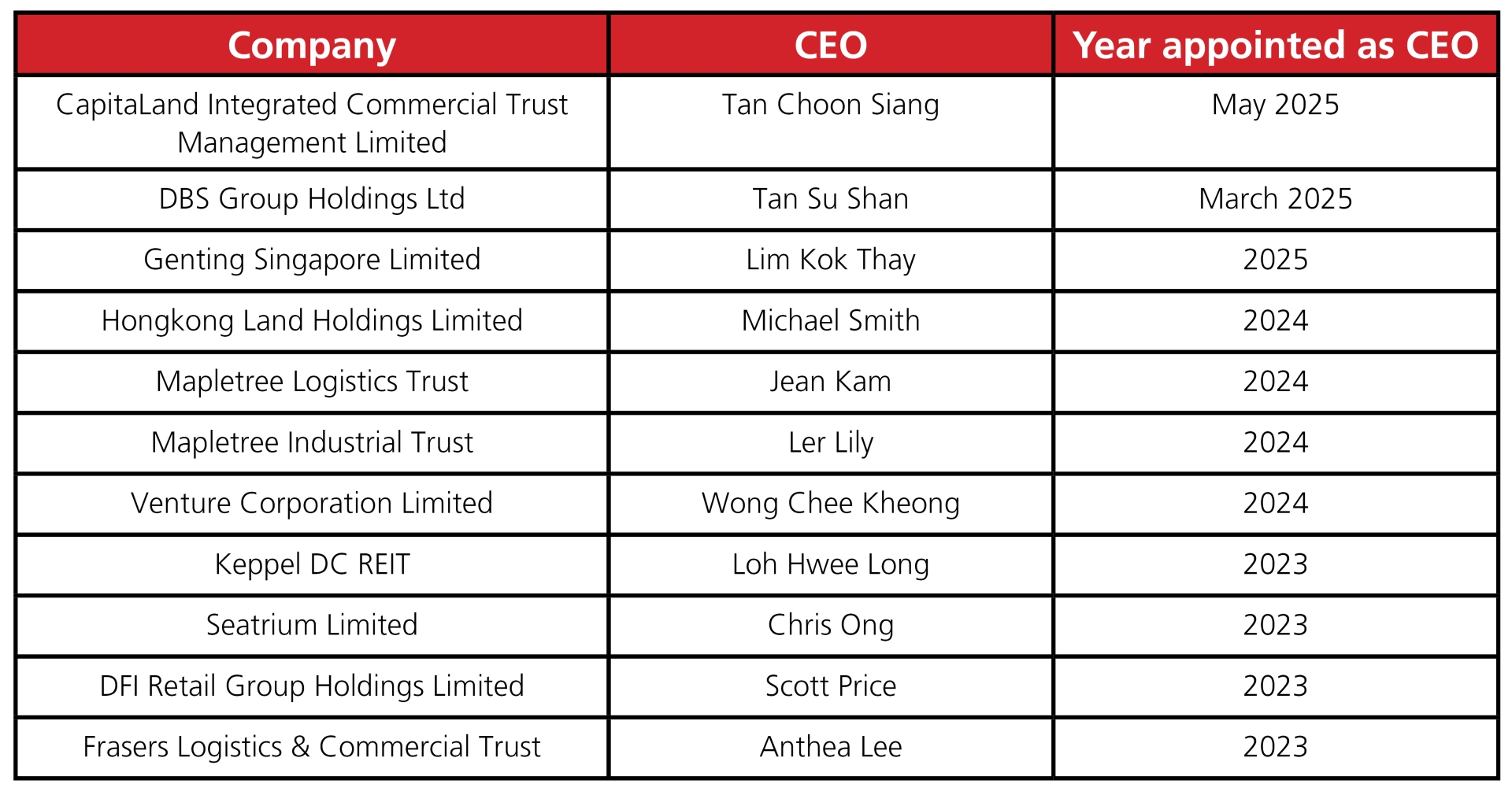
At least 10 CEOs have held their roles for two years or less, including DBS Group Holdings Ltd. CEO Tan Su Shan, who took over in March 2025 after serving as deputy CEO and head of institutional banking. CapitaLand Integrated Commercial Trust CEO Tan Choon Siang also joined in 2025 after a stint leading CapitaLand’s Malaysian REIT arm.
Family succession still plays a quiet but enduring role in corporate Singapore. Five STI companies are now led by descendants of founders or their chairmen. Wee Ee Cheong, CEO of United Overseas Bank Ltd. (UOB) since 2007, represents the third generation of the founding family. He joined the bank in 1979, became deputy chairman in 2000, and succeeded his father, the late Wee Cho Yaw, in leading one of Southeast Asia’s biggest banks.
Ren Letian, 43, is the youngest CEO on the STI list. He joined Yangzijiang Shipbuilding Holdings Ltd. in 2006 as a site project manager, rose to general manager of the main shipyard, and became CEO in 2015. He is the son of honorary chairman Ren Yuanlin.
Even external hires come with solid credentials and senior-level experience. Anthea Lee, CEO at Frasers Logistics & Commercial Trust, headed Keppel DC REIT Management, where she served as CEO from 2021 to 2023.
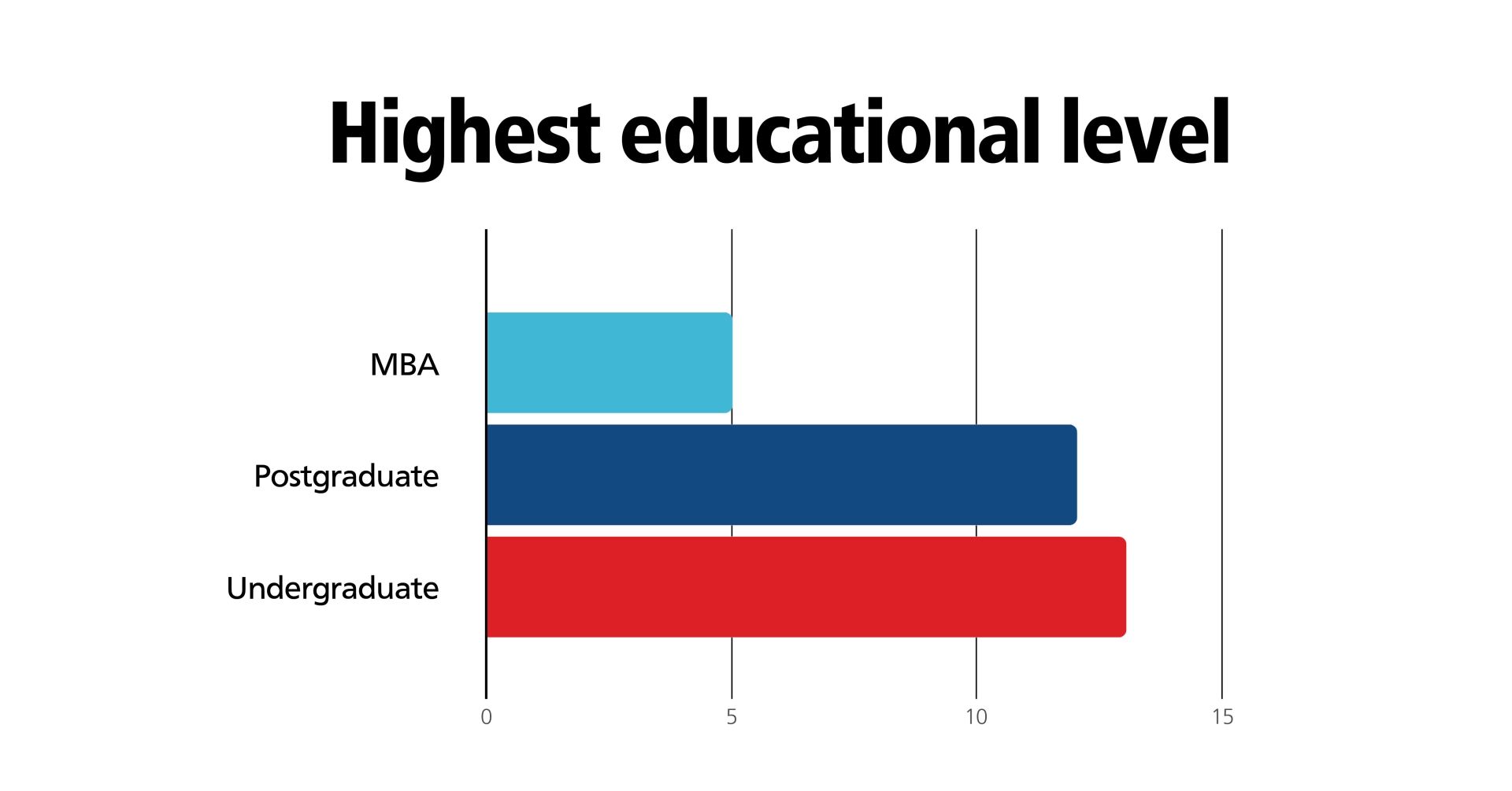
Educational backgrounds among these leaders reveal consistent patterns. Most have degrees in business or engineering, with almost equal numbers holding postgraduate qualifications. Only a handful pursued MBAs, though many attended executive programs at top institutions.
Vincent Chong, CEO at Singapore Technologies Engineering Ltd., earned a mechanical engineering degree from the National University of Singapore (NUS) and later attended leadership programs at Columbia Business School and the Thunderbird School of Global Management.
Kerry Mok, CEO at SATS Ltd., holds a business degree in accounting from Monash University. Scott Price, CEO at DFI Retail Group Holdings Ltd., has an MBA and a master’s in Asian Studies from the University of Virginia.
Oversea-Chinese Banking Corp. Ltd. (OCBC) CEO Helen Wong, who started as a management trainee at the bank, earned her social science degree from the University of Hong Kong and became OCBC’s first female CEO in 2021. She will retire in December 2025 after more than four decades in banking.
About a third of Singapore’s top executives are alumni of local universities such as NUS and Nanyang Technological University. Many others studied overseas, with alumni networks stretching across American universities including Stanford, MIT, and Boston University, and European schools such as Oxford and Imperial College London.
One prominent overseas-educated CEO is Thapana Sirivadhanabhakdi, who heads Thai Beverage Public Co. Ltd. (ThaiBev) He holds both undergraduate and master’s degrees in finance from Boston University and became CEO of the Thai group’s beverage arm in 2008 at age 33. ThaiBev, listed on the Singapore Exchange since 2006, is part of his father’s TCC Group empire.
Glass ceiling
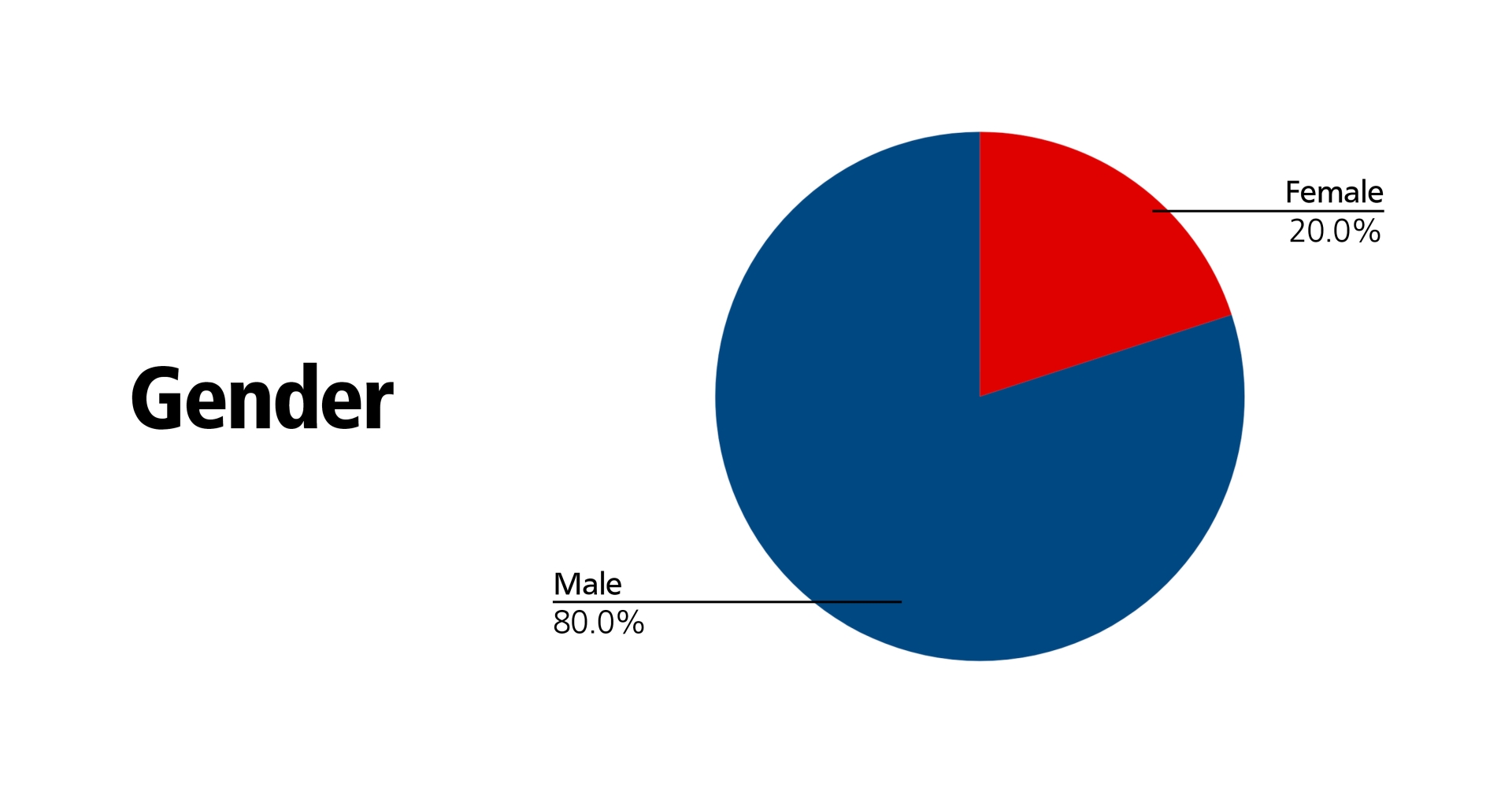
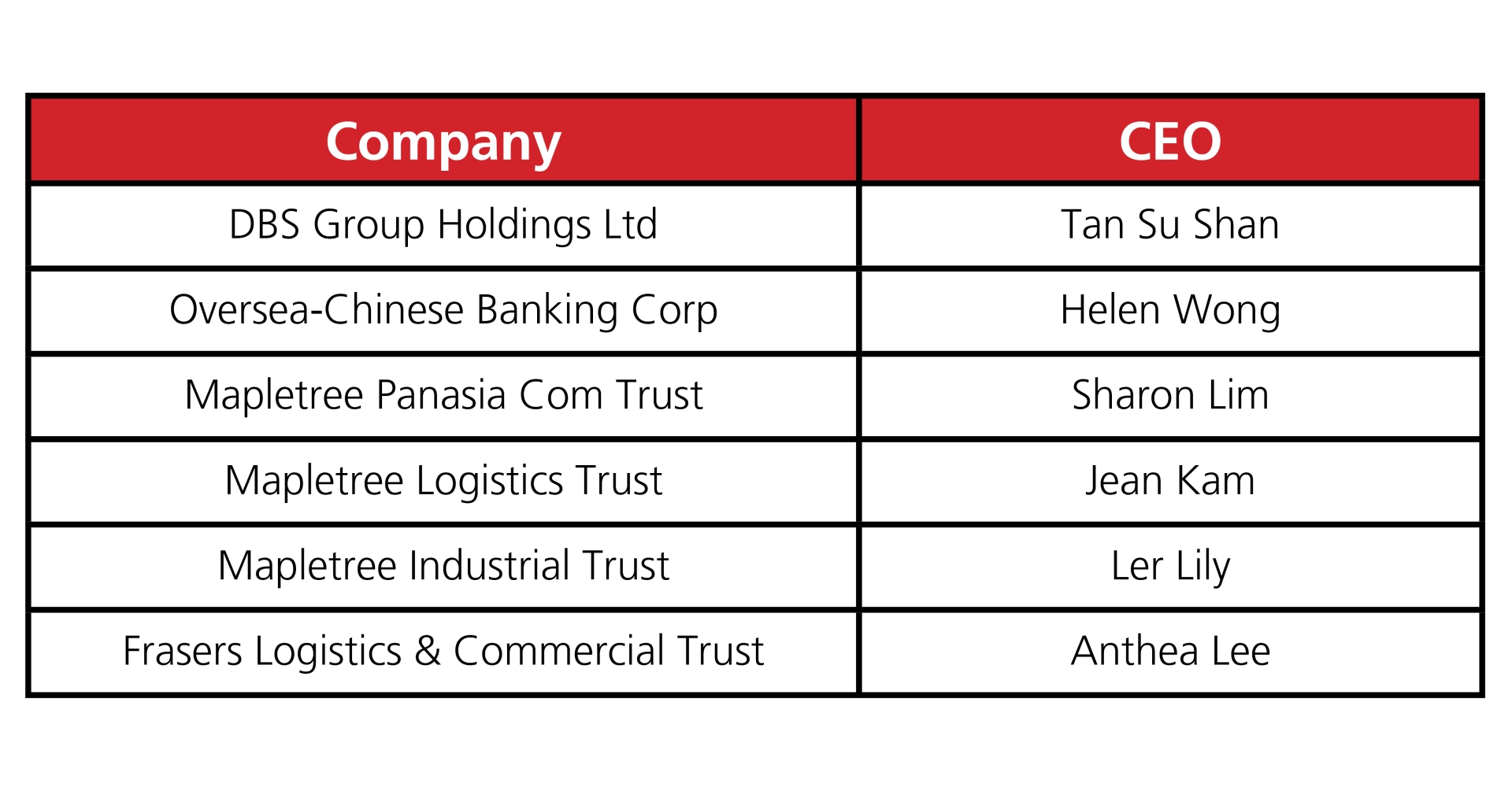
Despite Singapore’s reputation for business diversity, women remain underrepresented at the top. Women lead only 20% of STI-listed firms, and half of them are from the Mapletree Investments Pte. Ltd. group.
Sharon Lim, CEO at Mapletree Pan Asia Commercial Trust since 2015, held senior roles at CapitaMalls Malaysia REIT. Jean Kam, CEO at Mapletree Logistics Trust, took the helm in 2024 after heading its investment division. Ler Lily, who became CEO at Mapletree Industrial Trust the same year, was the company’s chief financial officer (CFO).
Career progression toward CEO in Singapore usually involves leading a unit or moving through key executive positions such as CFO, CIO, or executive vice president. At least half of the top CEOs once headed subsidiary companies before assuming the top post, a reflection of Singapore’s structured succession planning culture.
Genting Singapore PLC illustrates another variation in leadership continuity. Lim Kok Thay, son of Genting Group founder Lim Goh Tong, has served as chairman since 1993 and executive chairman since 2005. In June 2025, he took on the additional role of acting CEO after Tan Hee Teck stepped down.
Singapore’s top corporations value a long runway of grooming, institutional loyalty, and steady internal progression. The typical CEO is seasoned, technically grounded, and familiar with the company’s culture long before taking the helm.
Though global in education and outlook, the leadership pipeline remains distinctly local — shaped by the city’s disciplined corporate governance and tradition of promoting from within.
The next decade may bring shifts in gender representation and international exposure, but Singapore’s formula for leadership — a balance of longevity, competence, and homegrown talent — continues to define its corporate landscape.


















 Read Here
 Advertise
 Sign Up